
Hi! I’m Amanda.
I’m an academic editor who specialises in editing theses and academic articles.
I also have a penchant for editing adult and young adult contemporary fiction.
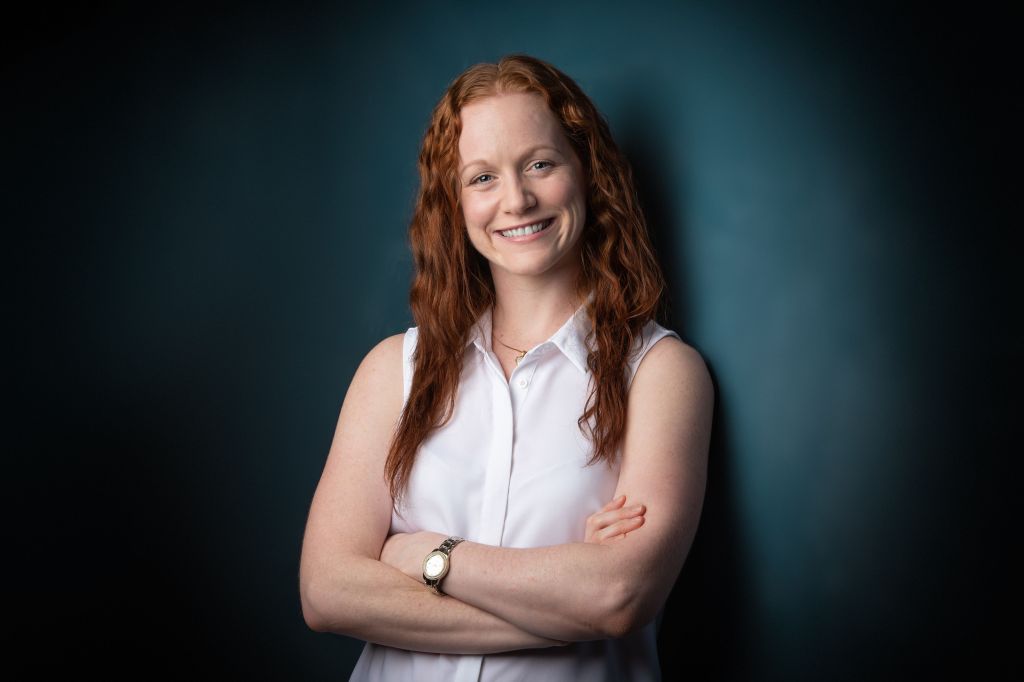
Photo by Joseph Byford
Vision & mission
I help writers, researchers and authors finish their writing and publishing projects by providing high-quality editing services.
I aim to make the editing and publishing industry more inclusive and accessible by volunteering my time, knowledge and skills.
Values
authenticity
honesty
integrity
- I present myself as authentically as I can – I do not pretend to have qualifications or experience I do not have, and I try my best to be genuinely me. Being your authentic self can be a less stressful way to live, but I acknowledge that in some situations and for some people, being your true self is unsafe. I acknowledge and support the bravery needed to be your authentic self or to write in your authentic voice.
- Honesty is quite an abstract concept. To me, being honest means I am truthful; I treat others fairly and ethically; and I do not lie or deceive.
- Acting with integrity is being honest even when I’m the only one there to hold myself accountable. I will admit my mistakes, especially if I discover that one of my editorial decisions does not best serve you or your writing.
inclusion
representation
accessibility
- Inclusion fosters belonging, and belonging is key to feeling like you matter. Inclusion can take many forms, and in writing and editing, it can look like using language that doesn’t unintentionally or unnecessarily exclude. I have an intense interest in promoting conscious and inclusive language to foster a stronger sense of belonging.
- Similarly, seeing yourself represented in media also fosters a sense of belonging. But representation goes a step further than inclusion – representation demonstrates to others that people like you exist and belong everywhere. I support diverse voices and welcome opportunities to work with people from underrepresented communities.
- Accessibility is another step further again – it says, “We want you here.” Everyone deserves access, whether this is to buildings, books or research. I will always strive to do as much as I can to ensure as many people as possible can access the materials and projects I work on.
knowledge
learning
growth
- Knowledge is power. The more knowledge you have about grammar, punctuation, style and the rest of it – and when you know the whys and why nots behind these things – the the more choice you have for your writing. I always try to pass on as much knowledge as I can during a project.
- Being an editor means being committed to lifelong learning. Language is constantly evolving, and I strive to engage in learning opportunities so my knowledge evolves along with it.
- Growth is using learning to gain knowledge, and then using knowledge to change – to change what you say, what you think, what you do. I’m committed to growing, personally and professionally, so I can continue to have as positive an effect on those around me – and on the world – as possible.
Qualifications
- IPEd Accredited Editor (2021)
- Bachelor of Creative Industries with Distinction (GPA 6.0), QUT (2017)
- Majors: Creative and Professional Writing, and Journalism
Experience
I began working as a freelance editor in January 2020.
From early 2020 to late 2023, I contracted to an editing company, where I was requested by several VIP clients. I mainly edited postgraduate theses and dissertations, journal articles, business documents and a few non-fiction books. I also ran, and developed new material for, the company’s editing course alongside a colleague, and I helped train the company’s training editors.
In 2021–2022, I helped an indie author publish her debut novel (Roll With It). I provided developmental editing, copyediting, typesetting (Microsoft Word) and proofreading services, and helped her publish through IngramSpark.
Twice in 2023, I helped Dr Linda Nix AE deliver grammar workshops as professional development sessions facilitated by the Institute of Professional Editors (IPEd).
Universities, journals & publications
I have experience editing theses by students of various universities:
- Australian National University
- Curtin University
- Edith Cowan University
- Federation University Australia
- Flinders University
- Macquarie University
- Monash University
- Notre Dame University Australia
- Queensland University of Technology
- RMIT University
- University of Newcastle
- University of Sydney
- University of Technology Sydney
- University of the Sunshine Coast
- UNSW Sydney
I have experience editing articles published by various journals:
- Anaesthesia and Intensive Care
- Applied Ethnolinguistics
- Computers in Biology and Medicine
- Chinese Sociological Review
- Health Economics
- Health Education in Practice
- International Journal for Crime, Justice and Social Democracy
- International Journal of Entrepreneurship and Innovation Management
- Law, Technology and Humans
- NACADA Journal
- Studies in Translation Theory and Practice
Other publications I have edited contributions to:
- Institute for Small Business and Entrepreneurship Conference 2019
- QUT Centre for Justice Briefing Papers
Affiliations & memberships
- Professional member of the Institute of Professional Editors (IPEd)
- Member of the Golden Key International Honour Society
- Members are in the top 15% of high-achieving university students worldwide
- Membership by invitation
Industry contributions
- Editors South Australia Delegate on IPEd’s Accreditation Board (2022 – current)
- Exam Coordinator – Admin for IPEd’s accreditation exam (2022, 2024)
- Reviewed Books without Barriers and IPEd Standards for Editing Practice (3rd ed.) before publication (as part of my role on IPEd’s Accreditation Board)
Professional development
In late 2019 – early 2020, I completed a four-month intensive editing course.
In December 2020, I sat and passed the IPEd accreditation exam.
Now as an Accredited Editor, I’m required to complete professional development.
But that’s not the reason I do – I do it because I love learning.
In late 2021, I completed the professional development course Developmental Editing in Narrative Fiction, delivered by Renée Otmar, PhD, DE, HLM.
And since August 2020, I’ve completed numerous PD sessions through IPEd, some of which include the following:
- 2023 IPEd Conference
- 2021 IPEd Conference
- Advanced Word for Windows
- Healthy Author/Editor Relationships
- Using PDF Mark-up Effectively
- Worldbuilding in Fiction as More Than Just Background
- Self-Publishing for Freelance Editors
- Addressing Gender and Sexuality as Editors
- Developmental and Structural Editing for Fiction Manuscripts
- Achieving Clarity Through Plain Language
Beyond editing
I tend to saturate my life in whatever I’m deeply interested in at any given time, which is why I’m a member of IPEd’s Accreditation Board and have volunteered twice now to be the Exam Coordinator – Admin for the IPEd accreditation exam.
But before I immersed myself in the world of editing, I was equally involved in artistic roller skating – a sport I began when I was six years old. If you’ve never heard of this before, you’re not alone – it’s a little known sport similar enough to ice skating that people usually ask if that’s what I mean (or if I play roller derby).
I learned to skate in 2001 and competed for 14 years (non-consecutively) in regional, national and international events – I even represented Australia at the 2016 World Championships in Italy.
I also coached other skaters, taught Learn to Skate (where I began my journey) as a volunteer instructor, and was a member of my club’s management committee.
More generally, I love tea, the smell of rain, and the delicious feeling that comes from finally finding the perfect word that most accurately captures the thought or feeling I’m trying to convey.
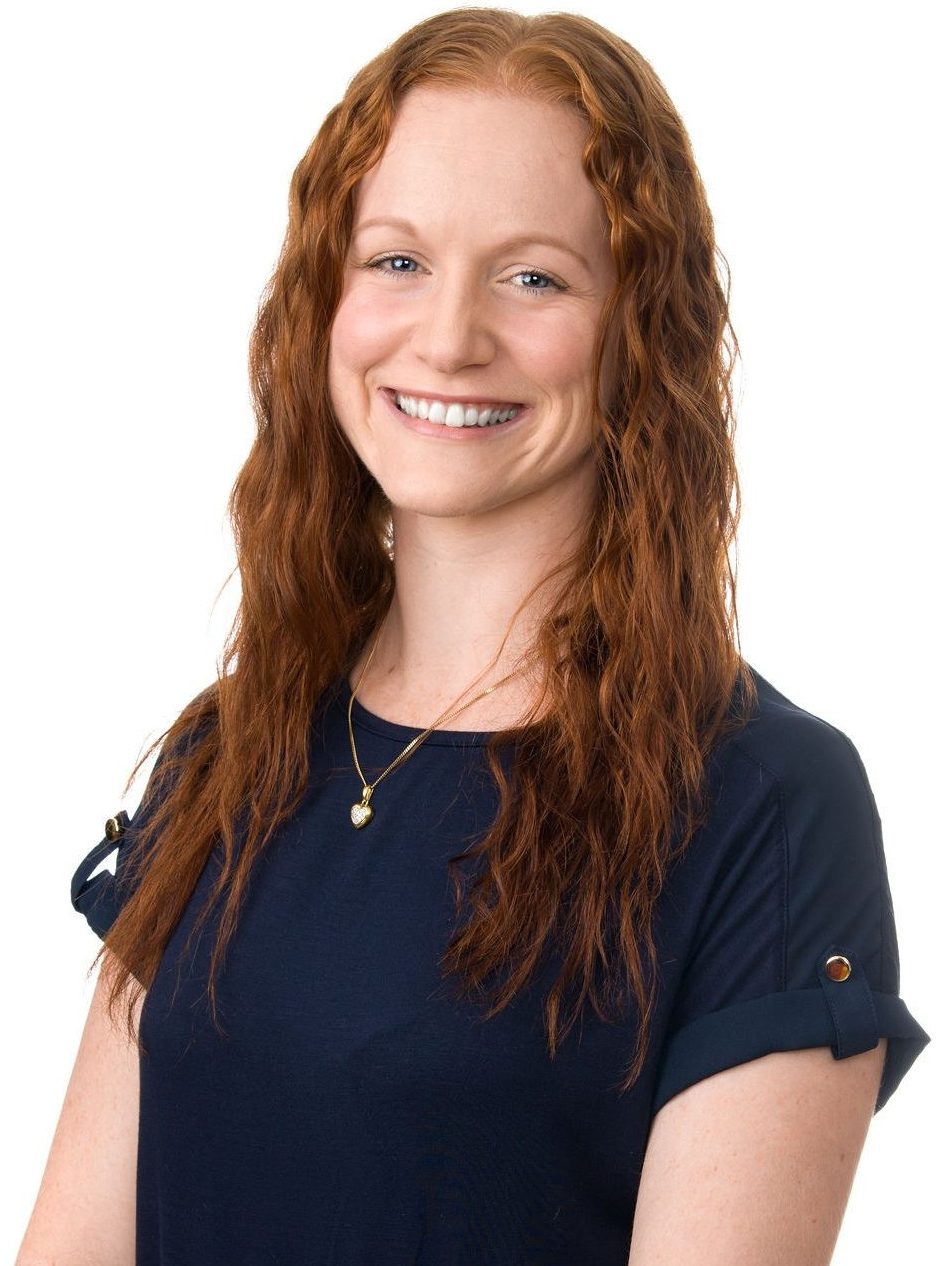
Photo above by Joseph Byford
 Amanda Webster